At New Hope Fertility Institute, we are dedicated to supporting all individuals and couples in their journey toward parenthood, including members of the LGBTQ+ community. We understand that building a family can present unique challenges and require specific considerations for LGBTQ+ individuals and couples.
Our team of compassionate and experienced professionals provides a comprehensive range of fertility services tailored to meet the diverse needs of the LGBTQ+ community. From sperm and egg donation to surrogacy and assisted reproductive technologies (ART), we offer personalized care and expert guidance to help you achieve your dream of building a family.
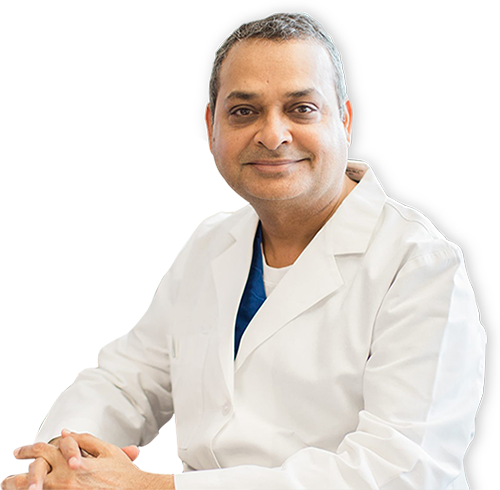
Dr. Subodh Chauhan, Founder and CEO of New Hope Fertility Institute of Texas, is Board Certified in Obstetrics, Gynecology, and Reproductive Endocrinology. A Clinical Assistant Professor at Baylor College of Medicine, he has trained in India, the UK, and the USA.
Known for his personalized care, Dr. Chauhan performs IVF and Embryo transfers for all his patients and is highly regarded for his compassionate and ethical approach.

Reproductive endocrinology offers a variety of family building options tailored to the needs of LGBTQ+ individuals and couples. Understanding these options can help you make informed decisions on the best path to parenthood.
IUI is a viable option for lesbian couples or single women looking to conceive with donor sperm. The procedure involves placing washed and concentrated donor sperm directly into the uterus, timed with ovulation to increase the chances of fertilization. This minimally invasive approach is often the first-line treatment for single women and lesbian couples.
IVF allows for greater flexibility and higher success rates compared to IUI. For lesbian couples, IVF offers the option of reciprocal IVF, where one partner provides the eggs and the other carries the pregnancy, fostering a shared experience of motherhood. For gay male couples and single men, IVF paired with a gestational surrogate enables the use of donor eggs and one or both partners' sperm.
Surrogacy is an essential option for gay male couples and single men who want to have a biological child. In gestational surrogacy, an embryo created via IVF using a donor egg and sperm from one or both partners is transferred to a surrogate who carries the pregnancy. This method ensures a genetic link to the child and allows intended parents to be actively involved throughout the pregnancy.
Egg donation is particularly relevant for lesbian couples or single women facing diminished ovarian reserve or genetic concerns. Similarly, sperm donation is vital for gay male couples and single men. Dr. Chauhan can guide you through selecting anonymous or known donors and handling the legal and emotional aspects of donation.
LGBTQ+ individuals undergoing gender transition or facing other medical treatments that might impact fertility can benefit from fertility preservation. Options include egg, sperm, and embryo freezing, allowing individuals to preserve their reproductive potential for future family building endeavors.
While not a reproductive technology, adoption remains a crucial path for LGBTQ+ individuals and couples. Many agencies and resources support LGBTQ+ adoption, providing an alternative way to build a family that aligns with your values and desires.
By exploring these diverse reproductive endocrinology options, LGBTQ+ individuals and couples can pursue parenthood in ways that best suit their unique circumstances and aspirations.
A comprehensive consultation with Dr. Chauhan can help tailor a personalized family building plan.

With so many options available, choosing the right path to parenthood can be overwhelming. It is essential to consider factors such as success rates, financial costs, and emotional readiness when making decisions. Consulting with Dr. Chauhan can help you navigate these choices and find the best fit for your family building journey. Let us support you on this journey towards parenthood!
There are several options available, including intrauterine insemination (IUI) with donor sperm, in vitro fertilization (IVF), surrogacy, egg and sperm donation, fertility preservation, and adoption.
IUI involves placing donor sperm directly into the uterus during ovulation to facilitate natural fertilization. IVF, on the other hand, involves extracting eggs, fertilizing them with sperm in a laboratory, and then transferring the embryo(s) to the uterus. IVF generally has higher success rates and offers more flexibility, such as reciprocal IVF for lesbian couples.
In reciprocal IVF, one partner undergoes ovarian stimulation to provide eggs, which are then fertilized with donor sperm. The resulting embryos are transferred to the other partner’s uterus, allowing both partners to participate in the pregnancy process.
Gay male couples can have a biological child through gestational surrogacy, where an embryo created using donor eggs and sperm from one or both partners is implanted into a surrogate who carries the pregnancy to term.
When choosing a donor, consider factors such as genetic background, physical characteristics, medical history, and whether to use an anonymous or known donor. Working with Dr. Chauhan and a legal professional can help you navigate these decisions.
Yes, transgender individuals can pursue family building through options like fertility preservation, which includes egg, sperm, or embryo freezing before undergoing gender-affirming treatments that might affect fertility.


At New Hope Fertility Institute of Texas, we understand the financial stress that infertility treatments can impose. We are committed to making advanced fertility care accessible to as many patients as possible. That's why we are pleased to announce that we accept most insurance plans.
Our knowledgeable staff will work closely with you to help navigate your insurance benefits and ensure you receive the maximum coverage possible for your IVF treatment. We encourage you to contact our office for specific details about your insurance plan and the extent of your coverage.
Stay informed and inspired by subscribing to our YouTube channel! Follow us for the latest updates and valuable insights on navigating your fertility journey.
If you are considering treatment and would like to learn more about how New Hope Fertility Institute of Texas can support you on your journey to parenthood, we invite you to reach out to us. Our dedicated team is here to answer any questions you may have and provide personalized guidance tailored to your unique circumstances.

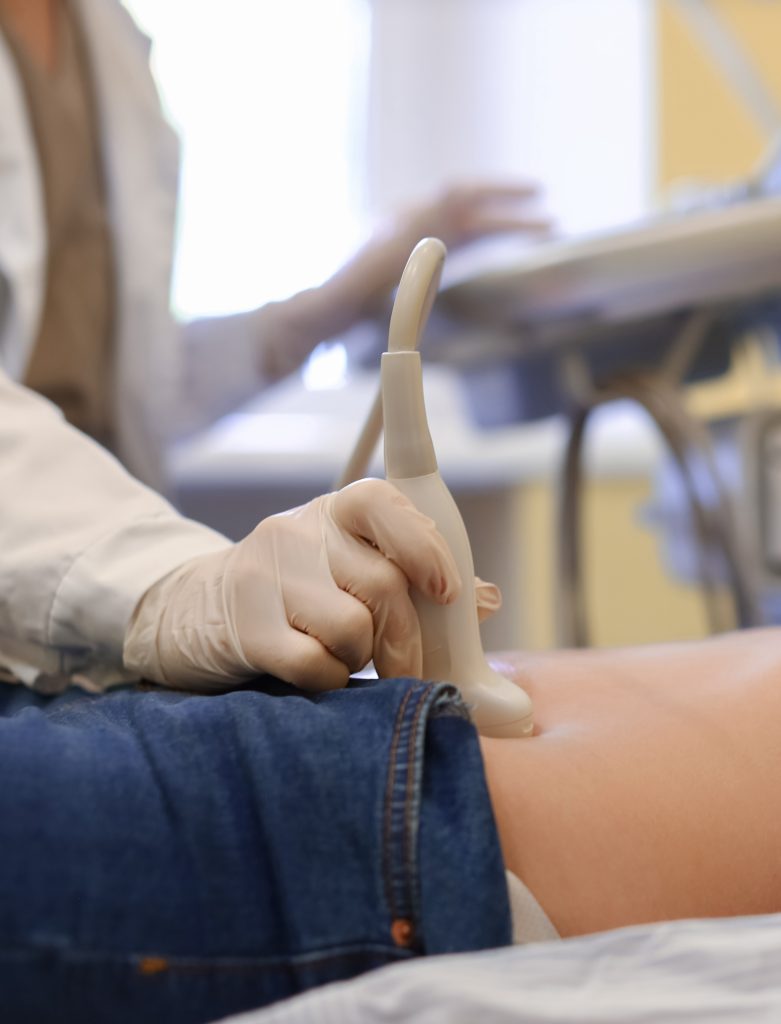
Ultrasound, AMH, FSH, LH and Inhibin testing.
Email info@newhopefitx.com to schedule.
Excellent rating
Based on 32 reviewsTrustindex verifies that the original source of the review is Google. Everyone going through infertility knows how important it is to find a doctor and team to help you navigate this journey. After going to another fertility group practice in the city and realizing that I was sometimes more of a number than a patient to them, I’m so happy to have found Dr. Chauhan. His office made me feel heard and treated me like an individual. I was always cared for and all my questions answered at a moments notice. He explains everything in detail and I felt very comfortable with him from the start. It is also easy to communicate with this staff which was a challenge for me with the other practice I had started seeing before them. Dr. Chauhan did my egg retrieval and we were very fortunate to immediately get pregnant naturally soon after. Although this is the very best outcome I could hope for, I wish he could be my OB during my whole pregnancy. He really is the best!!Trustindex verifies that the original source of the review is Google. We are very glad that we found such a great doctor . Premises was so positive , nurses took very good care . Doctor was so helpful in guiding the next steps for our pregnancy journey .Trustindex verifies that the original source of the review is Google. Dr. Chauhan and his staff were always so nice and knowledgeable. I can’t recommend them enough. He was one of the only doctors that didn’t shame me for my weight but instead provided words of encouragement. I’m happy to report that thanks to the doctor and his wonderful nurses my husband and I were able to conceive after one IUI cycle. This is the doctor you need to see! I can’t thank these people enough for changing our lives.Trustindex verifies that the original source of the review is Google. Dr Chauhan is a very caring doctor I’ve encountered. You can really tell whan you first encounter him that he got you! And he has the experience to prove that. If I could give 10 stars or more, I will. Highly recommended💯Trustindex verifies that the original source of the review is Google. Dr. Chauhan is a very kind Doctor that has been practicing for years. I followed him from his previous franchised corporate clinic to his new private practice where his services became much more affordable. I have been through ivf a few times before but previous clinics just followed protocol and did not listen to me. Dr. Chauhan is apart of every aspect of his practice guides his nurses and staff and helps them.Trustindex verifies that the original source of the review is Google. Dr. Subodh Chauhan helped us with our 2 daughters and we cannot thank him enough. He is very knowledgeable, but what sets him apart is his compassion. He takes the time to answer every question and will make sure you are comfortable with every decision. He is truly an angel. We cannot recommend him enough. He and his staff will make you feel welcome and prioritized. If you need an IFV/fertility doctor and are reading this review, you have to call Dr. Chauhan.Trustindex verifies that the original source of the review is Google. Dr. Chauhan is amazing and I highly recommend him to anyone who needs a fertility doctor. He helped us grow our family and welcome 2 wonderful sons. We could not have done it without him. He takes the time to listen and really gets to know you. He makes himself available to his patients and is always available to answer your questions. He is at every appt and performing every procedure. We are so incredibly thankful for him.Trustindex verifies that the original source of the review is Google. Dr. Chauhan was our fertility doctor for both of our children via gestational carrier/surrogacy. He helped us create healthy embryos with our egg donor and had a successful pregnancy both times with a single embryo transfer!!! We love our conversations and look forward to our consults throughout our journey. Definitely recommend him to any LGBTQ+ family looking to create embryos, IVF, and gestational carrier/surrogacy! We will forever be thankful to Dr. Chauhan for all that he has done for our growing family.Trustindex verifies that the original source of the review is Google. The best in Houston!!! He is very honest and knowledgeable