
FREE
OVARIAN RESERVE TESTING
PLANNING FOR FUTURE FERTILITY
What Is Ovarian Reserve Testing?
Ovarian reserve testing encompasses a series of medical evaluations aimed at measuring the quantity and quality of a woman's remaining eggs. This assessment is crucial for those considering fertility treatments or egg freezing, as it provides valuable insights into reproductive potential and informs personalized fertility planning. The process includes various tests that assess hormone levels and evaluate ovarian function.
These tests include Ultrasound Examination, Anti-Müllerian Hormone (AMH) Test, Follicle-Stimulating Hormone (FSH) Test, Luteinizing Hormone (LH) Test, and Inhibin B Test. By analyzing the results, Dr. Chauhan can craft a personalized fertility plan tailored to an individual's unique reproductive health. Understanding ovarian reserve helps predict how the ovaries will respond to stimulation during fertility treatments, ensuring the best possible outcomes.
MEET YOUR REPRODUCTIVE ENDOCRINOLOGIST
Dr. Chauhan
Dr. Subodh Chauhan, Founder and CEO of New Hope Fertility Institute of Texas, is Board Certified in Obstetrics, Gynecology, and Reproductive Endocrinology. A Clinical Assistant Professor at Baylor College of Medicine, he has trained in India, the UK, and the USA.
Known for his personalized care, Dr. Chauhan performs IVF and Embryo transfers for all his patients and is highly regarded for his compassionate and ethical approach.


A STEP-BY-STEP GUIDE
The Ovarian Reserve Testing Process
Evaluating ovarian reserve is a vital first step in egg-freezing or fertility treatments. This assessment helps determine the quantity and quality of a woman's remaining eggs, guiding the next steps in her reproductive planning. Multiple tests are conducted involving ultrasound imaging and various hormone measurements to gain a comprehensive understanding of your reproductive health.
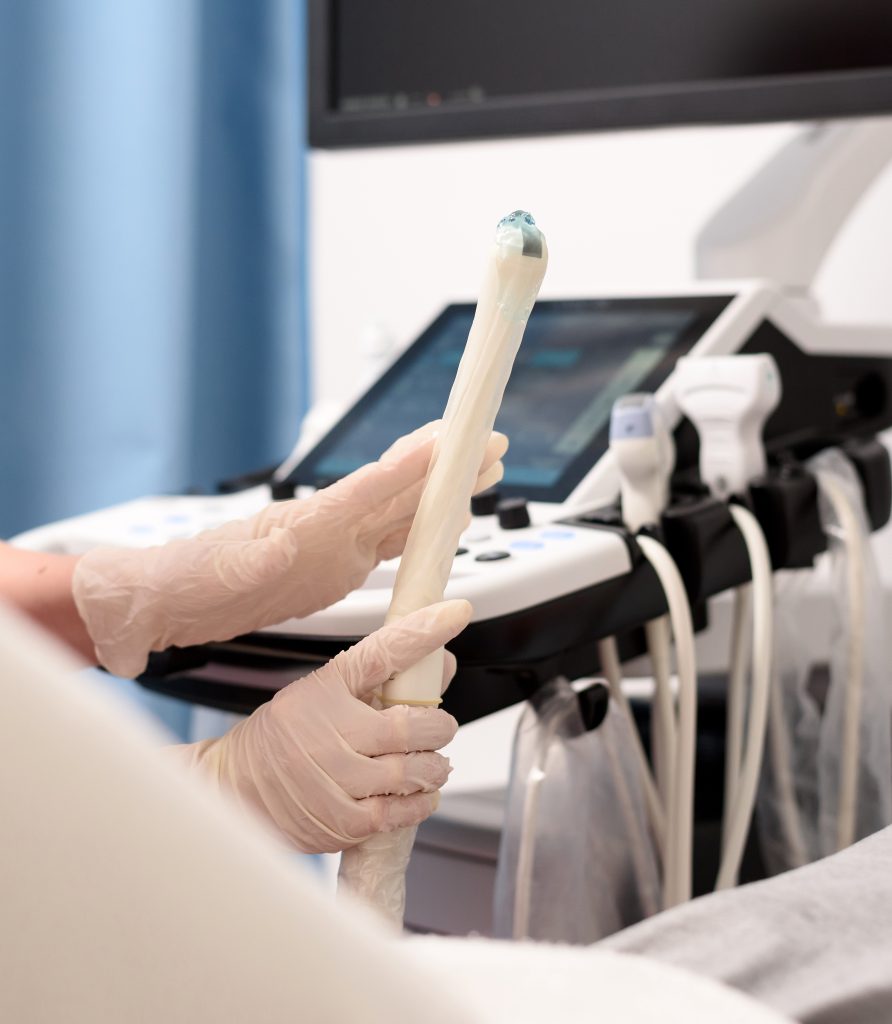
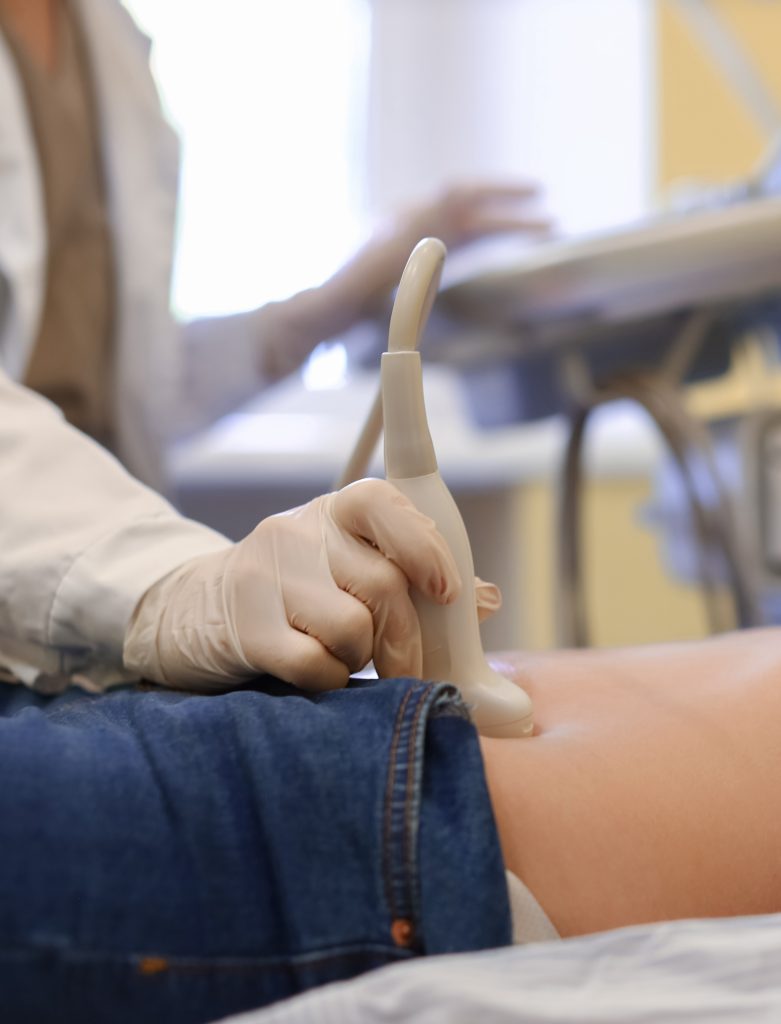
Ultrasound Examination
A transvaginal ultrasound is performed to visualize the ovaries and assess the antral follicle count (AFC). This count indicates the number of small follicles present in the ovaries during the early phase of the menstrual cycle and provides insight into the ovarian reserve.
Anti-Müllerian Hormone (AMH) Test
AMH is produced by the ovarian follicles and is a reliable marker of ovarian reserve. A blood test measures the AMH levels, which typically correlate with the number of antral follicles. Elevated AMH levels often indicate a higher ovarian reserve, while lower levels may suggest a diminished reserve.
Follicle-Stimulating Hormone (FSH) Test
FSH is vital for ovarian follicle development and is measured through a blood test on the third day of the menstrual cycle. High levels of FSH can indicate reduced ovarian reserve, as the body requires more FSH to stimulate follicle growth when the reserve is lower.
Luteinizing Hormone (LH) Test
LH plays a critical role in regulating the menstrual cycle and ovulation. Like the FSH test, LH levels are measured on the third day of the cycle. Abnormal LH levels can signal issues with ovulation or overall reproductive health.
Inhibin B Test
Inhibin B is a hormone produced by the ovarian follicles and serves as a marker for ovarian function. Blood levels of Inhibin B are measured on the third day of the menstrual cycle and can provide additional insight into ovarian reserve status. Lower levels of Inhibin B are often associated with diminished ovarian reserve.
Together, these tests provide a comprehensive overview of your ovarian reserve, aiding Dr. Chauhan in developing a tailored plan for fertility journey. Understanding your ovarian health allows for more accurate predictions of response to ovarian stimulation and helps ensure the best possible outcomes.

PRESERVING FERTILITY
Who Should Consider Ovarian Reserve Testing?
Ovarian reserve testing is not just for those currently facing fertility challenges; it's a valuable assessment for a range of individuals at various stages of their reproductive journey.
Women over the age of 35 should consider this testing, as ovarian reserve typically declines with age, affecting fertility and the likelihood of successful conception.
Those with a family history of early menopause or other genetic conditions impacting fertility may benefit from testing to anticipate potential issues.
Women considering delaying pregnancy for personal, professional, or health reasons might also find ovarian reserve testing helpful. By understanding their current ovarian reserve, they can make more informed decisions about the timing of childbearing or the need for fertility preservation techniques like egg freezing.
Individuals who have undergone treatments that can adversely affect ovarian reserve, such as chemotherapy or surgeries involving the ovaries, should consider testing to evaluate their fertility status post-treatment.
Ultimately, ovarian reserve testing provides critical insights that can guide proactive reproductive planning and help fulfill the desire for parenthood at the optimal time.
REAL PATIENTS, REAL SUCCESS
Patient Testimonials
OVARIAN RESERVE TESTING
FAQs
Ovarian reserve testing is a series of assessments aimed at evaluating the quantity and quality of a woman’s remaining eggs. These tests are crucial for those considering fertility treatments or egg freezing, as they provide insights into reproductive potential and guide personalized fertility planning.
Understanding ovarian reserve is essential as it can predict how a woman’s ovaries will respond to fertility treatments. It helps tailor fertility plans and interventions to maximize the chances of successful conception.
Women over 35 years of age, those with a family history of early menopause, individuals considering delaying pregnancy, and those who have undergone treatments like chemotherapy that can affect ovarian reserve should consider this testing.
A transvaginal ultrasound is conducted to visualize the ovaries and count the antral follicles. This count provides an estimate of the number of small follicles present, which is indicative of the ovarian reserve.
The AMH test measures the levels of Anti-Müllerian Hormone in the blood, which correlates with the number of antral follicles in the ovaries. Higher levels suggest a higher ovarian reserve.
The FSH test is performed on the third day of the menstrual cycle. Elevated FSH levels can indicate reduced ovarian reserve, as the body needs more FSH to stimulate the growth of follicles when the reserve is low.
The LH test measures the levels of Luteinizing Hormone, which is crucial for regulating the menstrual cycle and ovulation. Abnormal LH levels can signal issues with ovulation or overall reproductive health.
Low levels of Inhibin B, a hormone produced by ovarian follicles, often indicate diminished ovarian reserve. Measuring Inhibin B is part of understanding ovarian function and reserve.
While ovarian reserve testing provides valuable insights into a woman’s reproductive health and fertility potential, it is not a definitive predictor of when menopause will occur. It can, however, indicate the likelihood of approaching reduced fertility.


NEW HOPE FERTILITY
Insurance
At New Hope Fertility Institute of Texas, we understand the financial stress that infertility treatments can impose. We are committed to making advanced fertility care accessible to as many patients as possible. That's why we are pleased to announce that we accept most insurance plans.
Our knowledgeable staff will work closely with you to help navigate your insurance benefits and ensure you receive the maximum coverage possible for your IVF treatment. We encourage you to contact our office for specific details about your insurance plan and the extent of your coverage.
EDUCATIONAL RESOURCE
Follow Our YouTube
Stay informed and inspired by subscribing to our YouTube channel! Follow us for the latest updates and valuable insights on navigating your fertility journey.
GET IN TOUCH
Start Your Journey
If you are considering Free Ovarian Reserve Testing and would like to learn more about how New Hope Fertility Institute of Texas can support you on your journey to parenthood, we invite you to reach out to us. Our dedicated team is here to answer any questions you may have and provide personalized guidance tailored to your unique circumstances.

NEW HOPE FERTILITY
Free
Ovarian Reserve
Testing
Ultrasound, AMH, FSH, LH and Inhibin testing.
Email info@newhopefitx.com to schedule.