


All articles
Male Fertility· September 21, 2026· 7 min read
Testicular Sperm Extraction: Your Questions, Answered
No sperm in your semen analysis doesn't mean the end of the road. How testicular sperm extraction works, who it helps, and what to expect.
Finding out there's no sperm in a semen analysis is one of the harder moments in a fertility workup. It sounds final. For most men, it isn't.
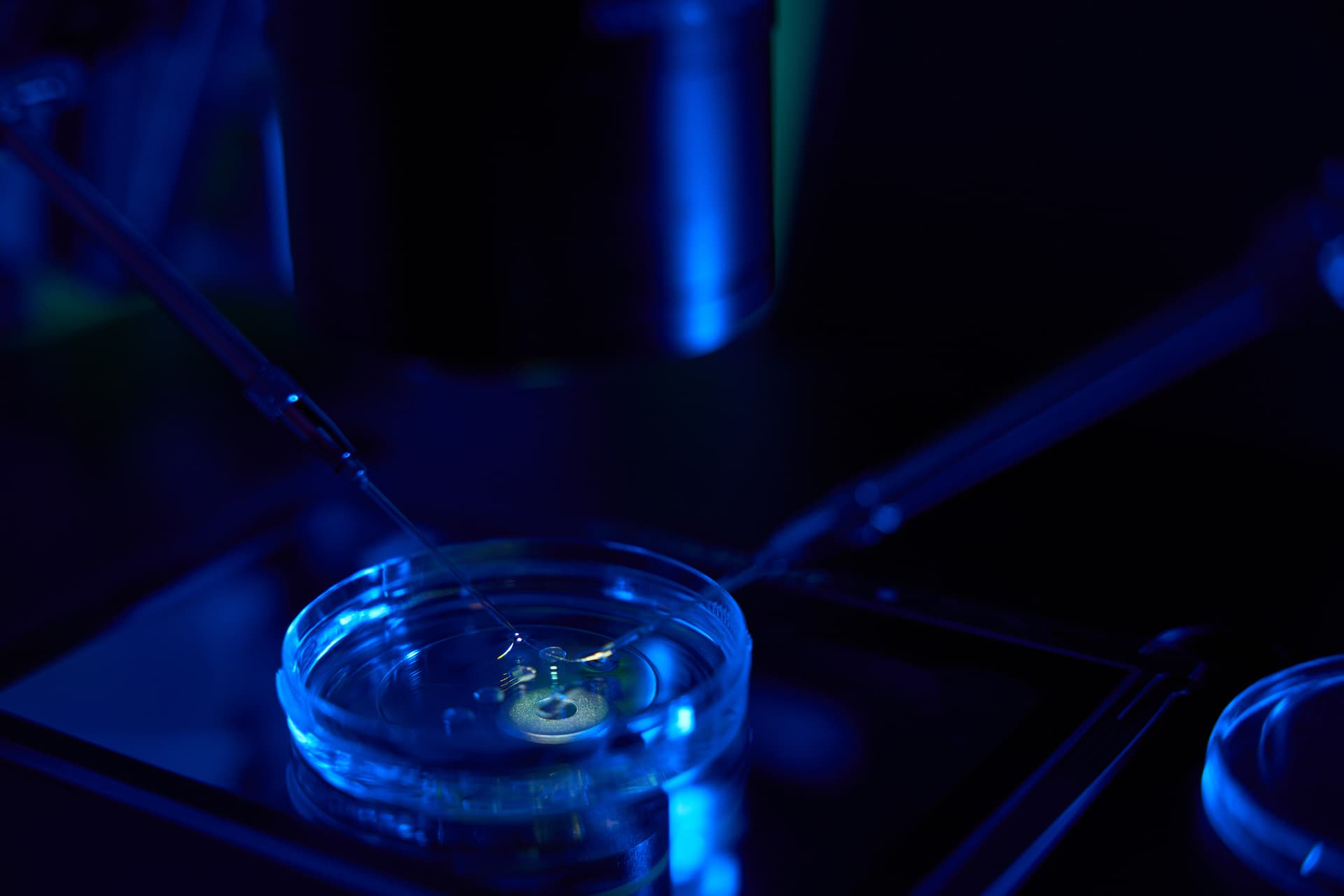
The absence of sperm in the ejaculate is called azoospermia, and it affects roughly 1% of men. In a significant share of those cases, the testicles are still producing sperm. The sperm simply isn't reaching the ejaculate. When that's true, a surgical procedure called testicular sperm extraction can retrieve it directly, and that sperm can be used to fertilize eggs through IVF.
Here's what patients most often ask us about it.
What is testicular sperm extraction?
Testicular sperm extraction, often shortened to TESE, is a minor surgical procedure that retrieves sperm directly from the testicle or from the epididymis, the small coiled tube attached to the back of each testicle where sperm mature.
It's done when sperm can't be obtained from a normal semen sample. Rather than collecting sperm after it has traveled through the reproductive tract, TESE collects it at the source.
The sperm retrieved is then either used immediately with an egg retrieval cycle or frozen for later use.
Why would I need it?
Azoospermia falls into two broad categories, and the reason matters a great deal for what happens next.
Obstructive azoospermia means sperm production is normal, but something is physically blocking the path out. Common causes include:
- A previous vasectomy
- Scarring from a past infection or surgery
- Congenital absence of the vas deferens, which is associated with cystic fibrosis gene mutations
Non-obstructive azoospermia means the testicles are producing little or no sperm. Causes include genetic conditions, hormonal problems, prior chemotherapy or radiation, undescended testicles in childhood, and in many cases no identifiable reason at all.
Retrieval is generally more straightforward in obstructive cases, because sperm is present and the task is reaching it. In non-obstructive cases, sperm may exist only in isolated pockets within the testicular tissue, which calls for a more involved surgical approach.
What if I've had a vasectomy?
A vasectomy seals the tubes that carry sperm out of the testicles, but it does not stop the testicles from making sperm. Production usually continues normally for years afterward.
That gives men two routes to fatherhood after a vasectomy: reversal, which reconnects the tubes and allows for natural conception, or sperm extraction combined with IVF.
Many men considering a reversal choose to have sperm extracted and frozen during the same operation. The logic is practical. Vasectomy reversal has a good success rate, but it is not guaranteed, and success becomes less likely the more years that have passed. Banking sperm at the time of the reversal means that if the reversal doesn't restore sperm to the ejaculate, you still have a path forward without scheduling a second surgery.
You can always have extraction done later as a standalone procedure. Combining them is simply a way to avoid a second anesthetic and a second recovery.
What are the different types of retrieval?
You may hear several acronyms. They describe where and how the sperm is collected:
- PESA and MESA retrieve sperm from the epididymis, using a needle or an open microsurgical approach
- TESA uses a needle to aspirate tissue from the testicle
- TESE removes a small sample of testicular tissue through a small incision
- Micro-TESE, or microdissection TESE, uses a high-powered surgical microscope to examine the testicular tubules and identify the specific areas most likely to contain sperm
Micro-TESE is the standard approach for non-obstructive azoospermia. The microscope allows the surgeon to find the small number of tubules that are actively producing sperm while removing far less tissue than older techniques required, which better protects testosterone production.
This procedure requires specialized training. It is performed by a urologist who has completed a fellowship in male infertility and microsurgery.
Who performs the procedure?
We work closely with fellowship-trained male infertility urologists who perform microsurgical retrieval. Dr. Chauhan coordinates the timing, manages the female partner's cycle, and handles the IVF and embryology side of your care.
That coordination matters more than it might sound. If retrieved sperm is going to be used fresh, the extraction has to be timed to the egg retrieval, which means the two procedures are scheduled around each other.
Will the sperm work for IVF?
Sperm retrieved surgically is nearly always used with ICSI, or intracytoplasmic sperm injection, where a single sperm is injected directly into an egg in the laboratory.
Standard IVF relies on large numbers of motile sperm finding and penetrating an egg on their own. Surgically retrieved sperm is usually recovered in small quantities, and testicular sperm often hasn't yet developed the ability to swim, because that capacity is acquired during transit through the epididymis. ICSI bypasses both problems entirely.
Immotile testicular sperm can still fertilize an egg normally through ICSI. That surprises many patients, and it's an important thing to understand: the sperm not swimming does not mean the sperm won't work.
Is any sperm guaranteed?
No, and any clinic that tells you otherwise isn't being straight with you.
In obstructive azoospermia, where production is normal, retrieval is successful in the large majority of cases. In non-obstructive azoospermia, retrieval succeeds in a meaningful share of cases but not all, and the odds depend on the underlying cause.
Certain genetic findings can predict a failed retrieval before surgery. This is why blood testing, including a karyotype and Y chromosome microdeletion testing, is recommended before proceeding when azoospermia is non-obstructive. It's better to know in advance than to undergo a procedure that had little chance of succeeding.
Hormone testing and a physical exam also help estimate the likelihood of finding sperm.
What is recovery like?
TESE is an outpatient procedure. You go home the same day.
Most men experience soreness and swelling for several days and are advised to rest, use scrotal support, apply ice, and avoid heavy lifting or strenuous activity for a short period. Your surgeon will give you specific instructions, which vary with the technique used.
Micro-TESE is a longer operation than a simple needle aspiration and typically involves a somewhat longer recovery.
Can the sperm be frozen?
Yes, and often it should be.
Freezing retrieved sperm allows it to be used across more than one IVF cycle and removes the need to coordinate two surgical schedules on the same day. For men facing cancer treatment, freezing preserves the option of biological children before therapy begins.
Whether to use fresh or frozen sperm depends on your situation, and it's a decision worth making deliberately rather than by default.
What should I do first?
Start with a semen analysis and a consultation. A single sample showing no sperm is usually repeated to confirm, and the workup that follows, including hormone levels, a physical exam, and genetic testing where appropriate, determines whether you're dealing with an obstruction or a production problem.
That distinction shapes everything that comes after it.
Gulf Coast Andrology offers semen analysis for $100, cash pay. No insurance authorization and no referral needed. If you've been told there's no sperm in your sample, or you're weighing a vasectomy reversal against extraction with IVF, that's the place to start.
Schedule your consultation at Gulf Coast Andrology
This article is for informational purposes only and is not intended to provide medical advice, diagnosis, or treatment. Always seek the guidance of a qualified healthcare provider with any questions regarding your health or medical condition. For personalized advice, please schedule an appointment with Dr. Chauhan.
Ready to talk it through with Dr. Chauhan?
Most new patients are seen within a week at our Houston or Sugar Land office.

New Patient Registration