Understanding Fertility Hormones: What You Need to Know
Fertility is a complex process influenced by various factors, among which hormones play a crucial role. We’ll explore the key hormones essential for reproductive health, focusing on Follicle Stimulating Hormone (FSH), Luteinizing Hormone (LH), and Inhibin B. Understanding how these hormones function and their influence on fertility can empower individuals and couples in their reproductive journeys.
Follicle Stimulating Hormone (FSH)
FSH is produced by the pituitary gland and is vital for the development of ovarian follicles in women and sperm production in men. In females, FSH stimulates the growth and maturation of eggs in the ovaries. Elevated levels of FSH in women can indicate diminished ovarian reserve, suggesting a decrease in the number of viable eggs. For men, FSH is crucial for normal spermatogenesis, and abnormal levels may hint at testicular dysfunction.
Luteinizing Hormone (LH)
Like FSH, LH is produced by the pituitary gland and is critical in both male and female reproductive functions. In women, a surge in LH levels triggers ovulation, resulting in the release of a mature egg from the ovary. Additionally, LH contributes to the formation of the corpus luteum, which produces progesterone necessary for establishing and maintaining pregnancy. Low LH levels can disrupt the ovulation cycle, leading to infertility.
Inhibin B
Inhibin B is a hormone produced by the Sertoli cells in men and the ovarian follicles in women. Its primary function is to regulate the production of FSH through a negative feedback mechanism. In men, inhibin B serves as a marker of normal testicular function and sperm production. In women, low levels of Inhibin B may indicate a reduced ovarian reserve, affecting fertility potential.
The Relationship Between Hormone Levels and Fertility
Hormonal balance is essential for successful reproduction. Disruptions in hormone levels can result from various factors, including age, stress, underlying health conditions, and lifestyle choices. Routine blood tests can help assess hormone levels and inform potential treatment options.
By understanding the roles of FSH, LH, and Inhibin B, individuals and couples can gain insights into their reproductive health.
Free Ovarian Reserve Testing at New Hope Fertility Institute of Texas
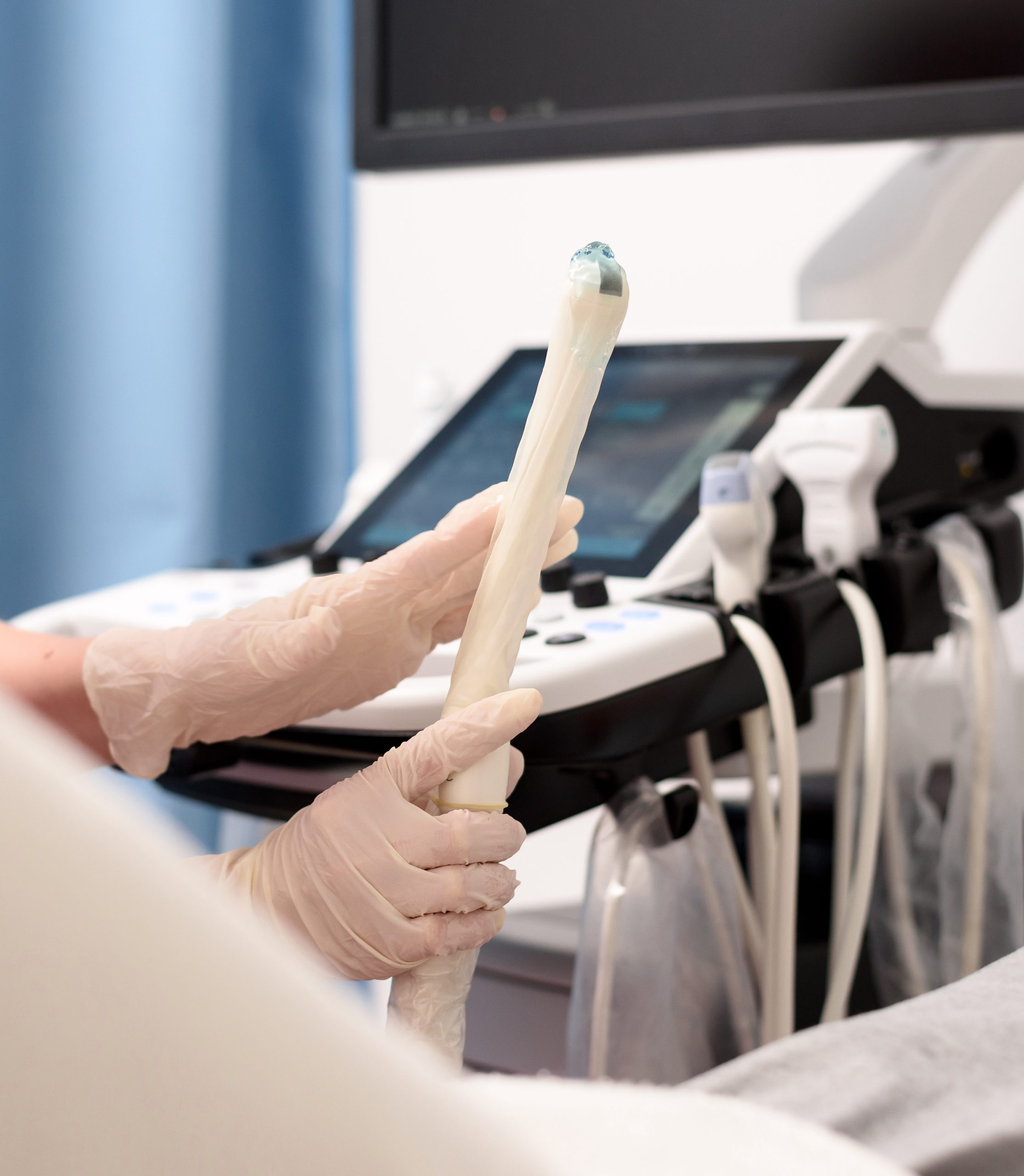
At New Hope Fertility Institute, we understand the importance of assessing ovarian reserve as a key indicator of reproductive health. Our free ovarian reserve testing offers women an opportunity to gain insights into their fertility potential without any financial commitment. The test typically includes a comprehensive evaluation of hormone levels as well as an ultrasound to assess the number of antral follicles. This combination allows us to provide a clear picture of ovarian health and guidance on the next steps. By participating in this free service, individuals can make informed decisions about their fertility journey, paving the way for effective and personalized care.