


All articles
Fertility Preservation· June 19, 2026· 3 min read
Egg Freezing: Not Just for Cancer Patients
Most people still associate egg freezing with a cancer diagnosis, and for good reason, it's a critical option before chemotherapy or radiation. But at New Hope, that's no longer the most common reason patients walk through our doors.

When egg freezing first became widely known, it was almost always discussed in the context of cancer. A young woman diagnosed with cancer would freeze her eggs before starting chemotherapy or radiation, preserving the chance to have biological children after treatment that might otherwise affect her fertility.
That’s still one of the most important reasons to freeze eggs, and it remains a core part of what we offer at New Hope Fertility Institute of Texas. But it’s far from the only reason patients choose to do it. Today, most of the women who come to us for egg freezing aren’t facing a cancer diagnosis at all.
The medical reasons beyond cancer
Cancer is one of several medical situations where egg freezing can protect future fertility. Others include:
- Autoimmune conditions that require treatment with medications known to affect ovarian function, such as certain therapies for lupus or severe rheumatoid arthritis.
- Endometriosis, particularly when it involves the ovaries directly or when surgery to treat it may reduce ovarian reserve.
- A family history of early menopause, which can be a signal to preserve options sooner rather than later.
- Gender-affirming care, for transgender men and nonbinary patients who want to preserve the option of biological children before starting testosterone therapy or undergoing surgery that would affect fertility.
- Upcoming pelvic surgery or other treatment for conditions unrelated to cancer that may still affect the ovaries.
If any of these apply to you, egg freezing is worth a conversation with Dr. Chauhan well before treatment begins. Ovarian reserve testing, which we offer at no cost, is often the first step in understanding your options and timeline.
The reason we see most often: timing
The single most common reason patients come to us for egg freezing today has nothing to do with a medical diagnosis. It’s timing. Someone hasn’t met the right partner yet. Someone is focused on finishing a degree, building a career, or isn’t in a place, financially or otherwise, to raise a child right now. Someone simply isn’t ready, and knows that egg quality and quantity decline with age regardless of readiness.
Elective, or “social,” egg freezing exists for exactly this situation. It doesn’t guarantee a future pregnancy, and it isn’t the right choice for everyone, but for many patients it offers something valuable: the ability to make a major life decision, like when to try to have a child, on their own timeline instead of one dictated by biology alone.
What the process actually involves
Egg freezing typically takes one menstrual cycle, roughly two to three weeks from the start of hormone injections to the retrieval itself. In broad terms, it includes:
- Baseline testing, including bloodwork and an ultrasound to assess ovarian reserve.
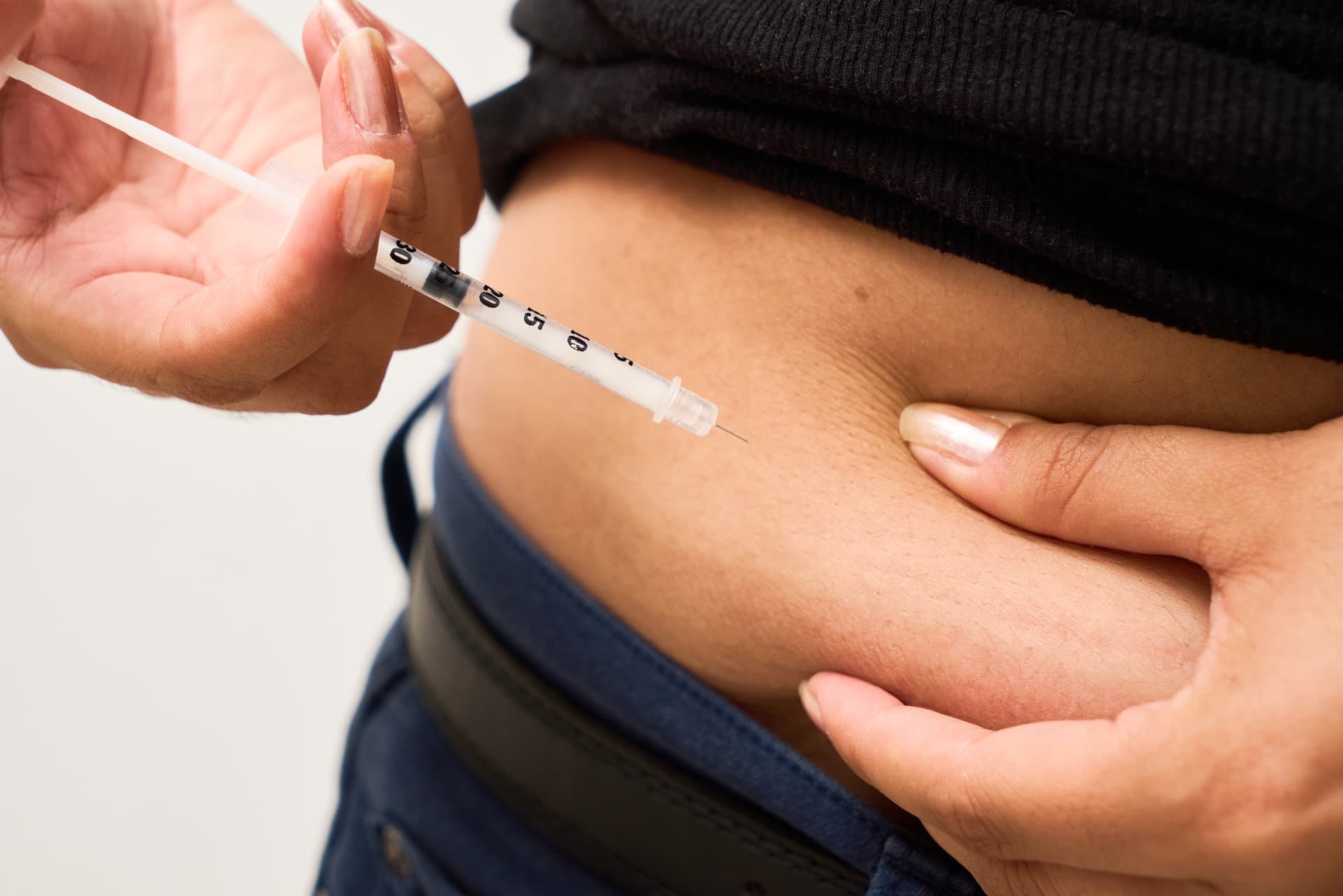
- Ovarian stimulation, using hormone medications over about 10 to 12 days to encourage the ovaries to produce multiple mature eggs.
- Monitoring appointments, spaced every few days, to track follicle growth and adjust medication as needed.
- Egg retrieval, a short outpatient procedure performed under sedation.
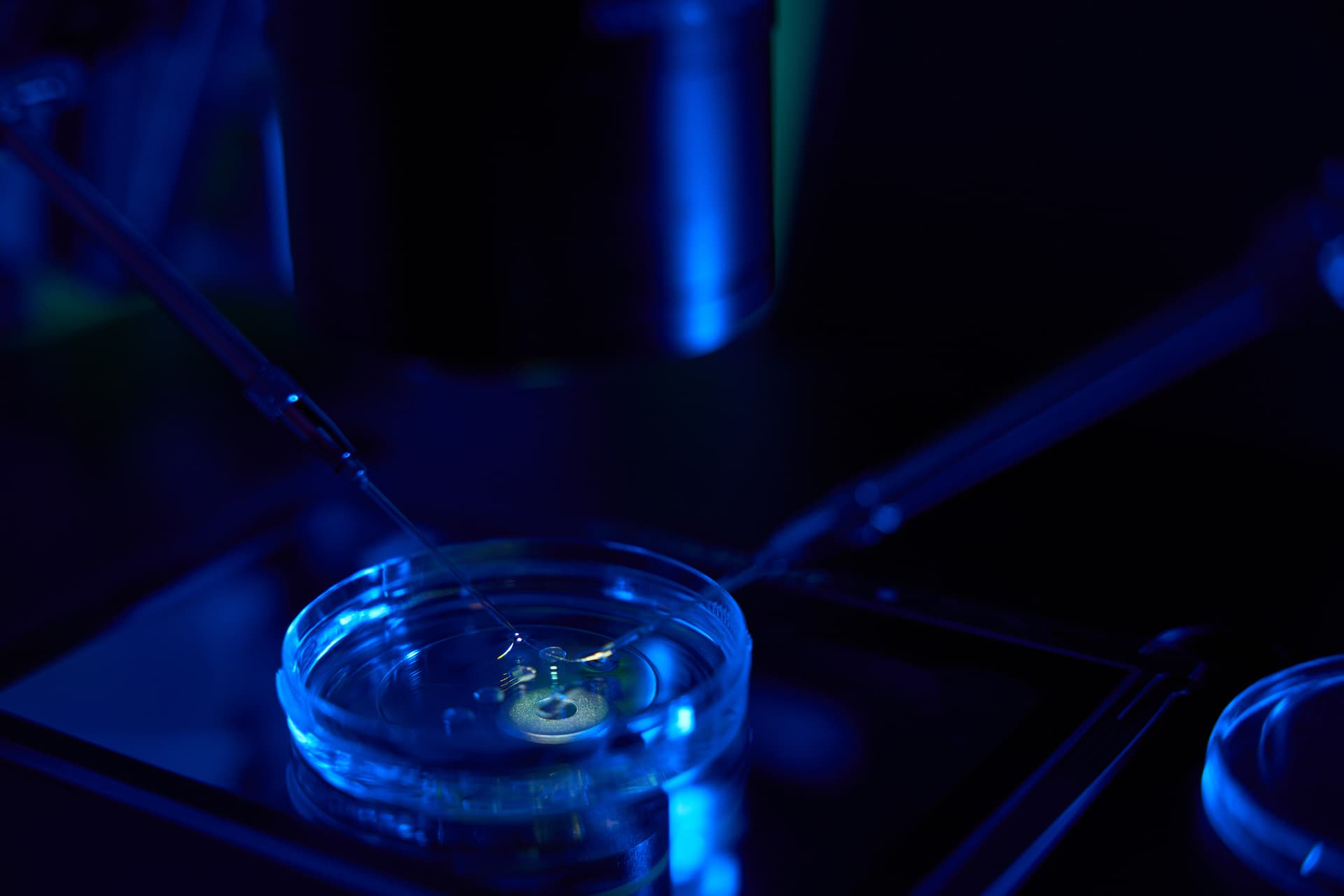
- Freezing and storage, using a rapid-freezing process called vitrification, which is designed to preserve egg quality for future use.
Most patients return to normal activity within a day or two of retrieval.
Who should consider it, and when
There’s no single right age to freeze eggs, but the general pattern is straightforward: egg quantity and quality decline with age, and outcomes tend to be better when eggs are frozen earlier rather than later. That doesn’t mean freezing later isn’t worthwhile. It means the conversation is worth having sooner rather than waiting for a “perfect” moment that may not arrive on its own.
If you’re facing a medical treatment that could affect your fertility, that conversation should happen as early as possible, ideally before treatment begins. If you’re considering elective freezing, there’s no need to wait for a deadline. A consultation and ovarian reserve testing can help you understand where you stand and whether now is the right time for you.
Talk to us before you decide
Egg freezing is a significant decision, and the right choice depends on your health, your goals, and your timeline. At New Hope, we start every egg freezing conversation with a real assessment of where you are, not a one-size-fits-all recommendation.
Curious whether egg freezing makes sense for you? Fill out a New Patient Registration Form to schedule a consultation with Dr. Chauhan.
Ready to talk it through with Dr. Chauhan?
Most new patients are seen within a week at our Houston or Sugar Land office.
New Patient Registration